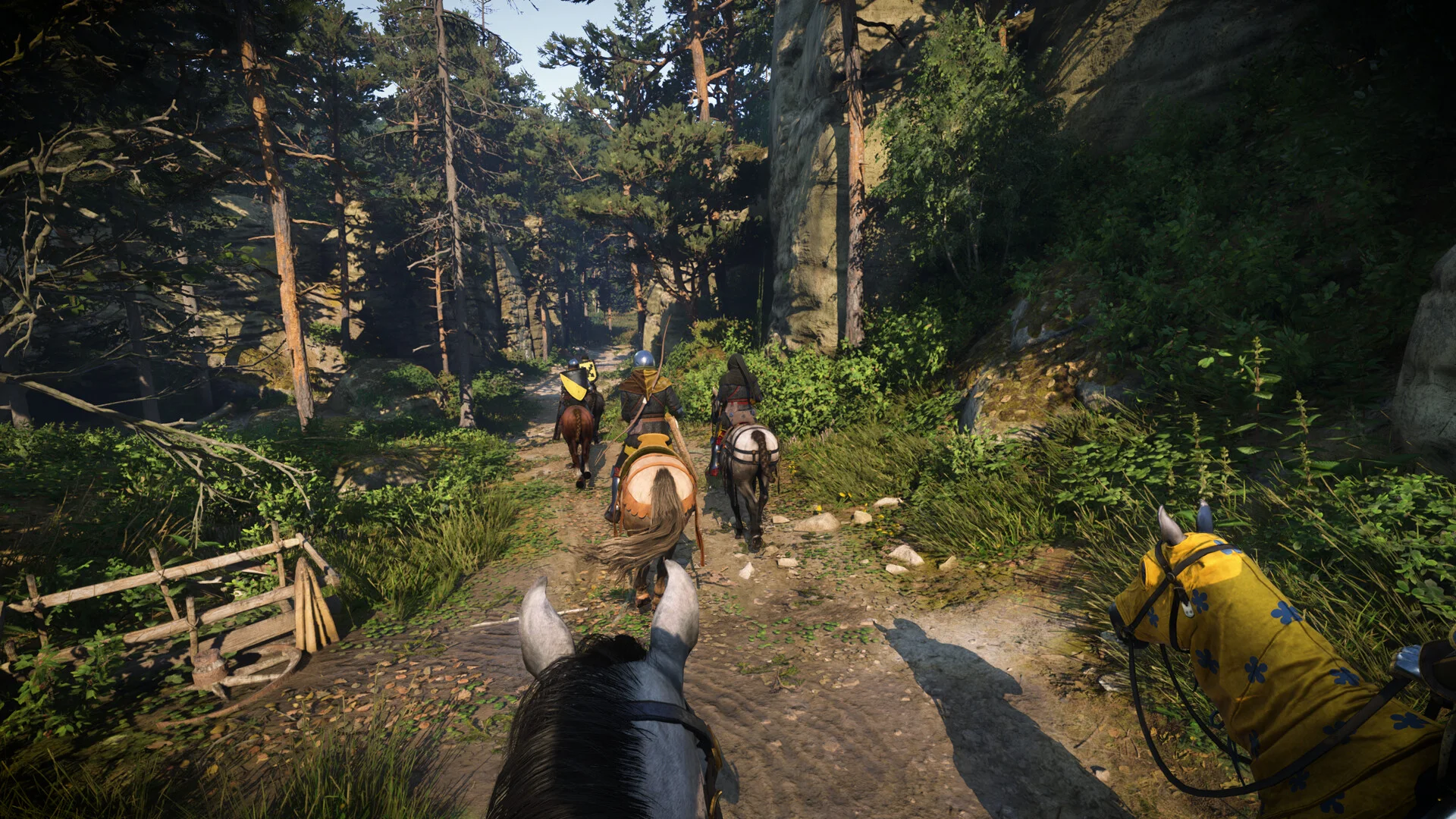
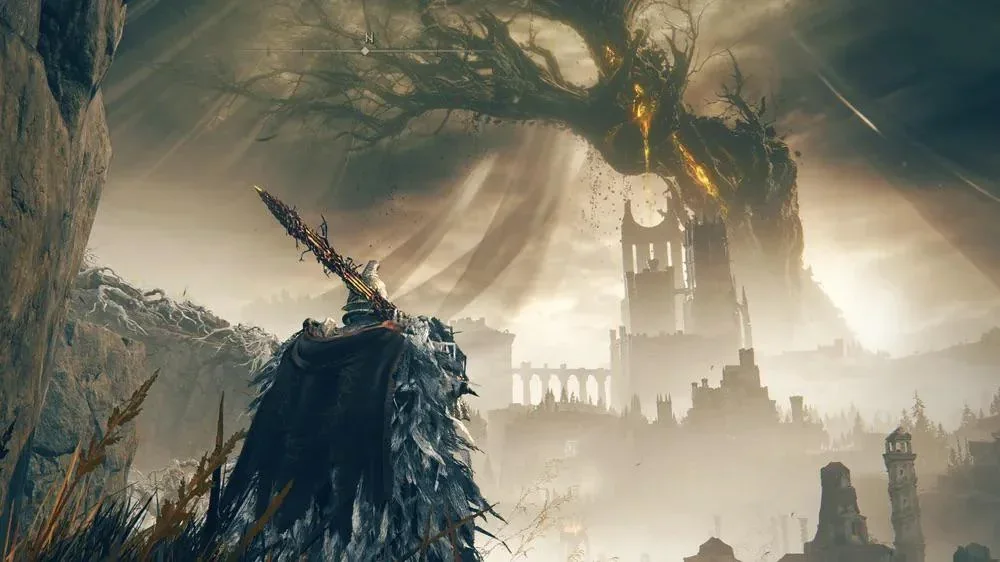
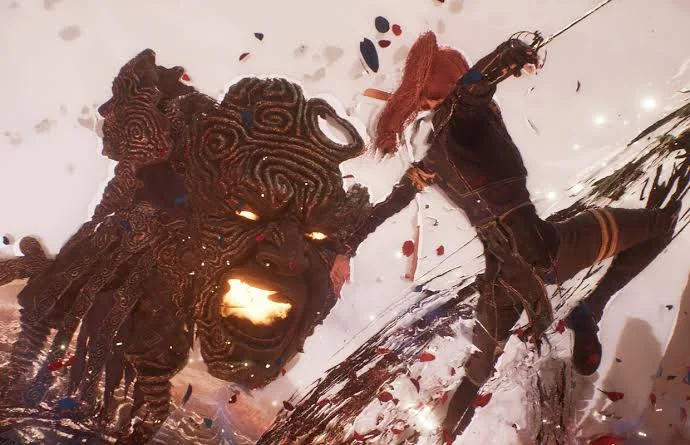
Open-world games can become tiring when activities and rewards are too predictable. Repetition and checklist habits often matter more than map size; there is no fixed hour when every player starts to feel bored.
The first tower is an adventure. The seventh tower is a task. That transition explains more about open-world fatigue than map size ever will. Early in a game, every icon contains uncertainty. Ten hours later, the player may already know what an icon means, how long it will take and what reward will pop out. The world has not become smaller; it has become predictable.
Discovery dies when icons become contracts
Once a symbol guarantees a three-minute fight followed by a chest, seeing the symbol stops producing curiosity. It produces a time estimate.
Copying structure is more dangerous than copying art
Two camps can look different and still feel identical if the same stealth route, enemy roles and reward logic repeat.
Rewards expose the treadmill
Loot stops being exciting when most items are immediately dismantled or numerically obsolete. At that point the activity is rewarding a maintenance task.
Traversal has to evolve
Movement can remain pleasurable when new abilities, vehicles, routes or environmental challenges change it. Otherwise distance becomes padding.
Narrative urgency can fight exploration
A story screaming that the world ends tonight sits awkwardly beside forty hours of collectible hunting. Players feel the contradiction even when they cannot name it.
How good open worlds delay fatigue
They introduce new verbs, alter rules, create unscripted interactions, make side stories matter or simply know when an area has said enough.
The player can also make it worse
Completionist habits turn optional variety into mandatory labor. Hiding map icons, following curiosity and leaving mediocre content unfinished can rescue a game from its own abundance.
WyrdLife take
Open worlds become boring when the player can predict the next ten minutes too accurately. Size is not the enemy. Certainty is.